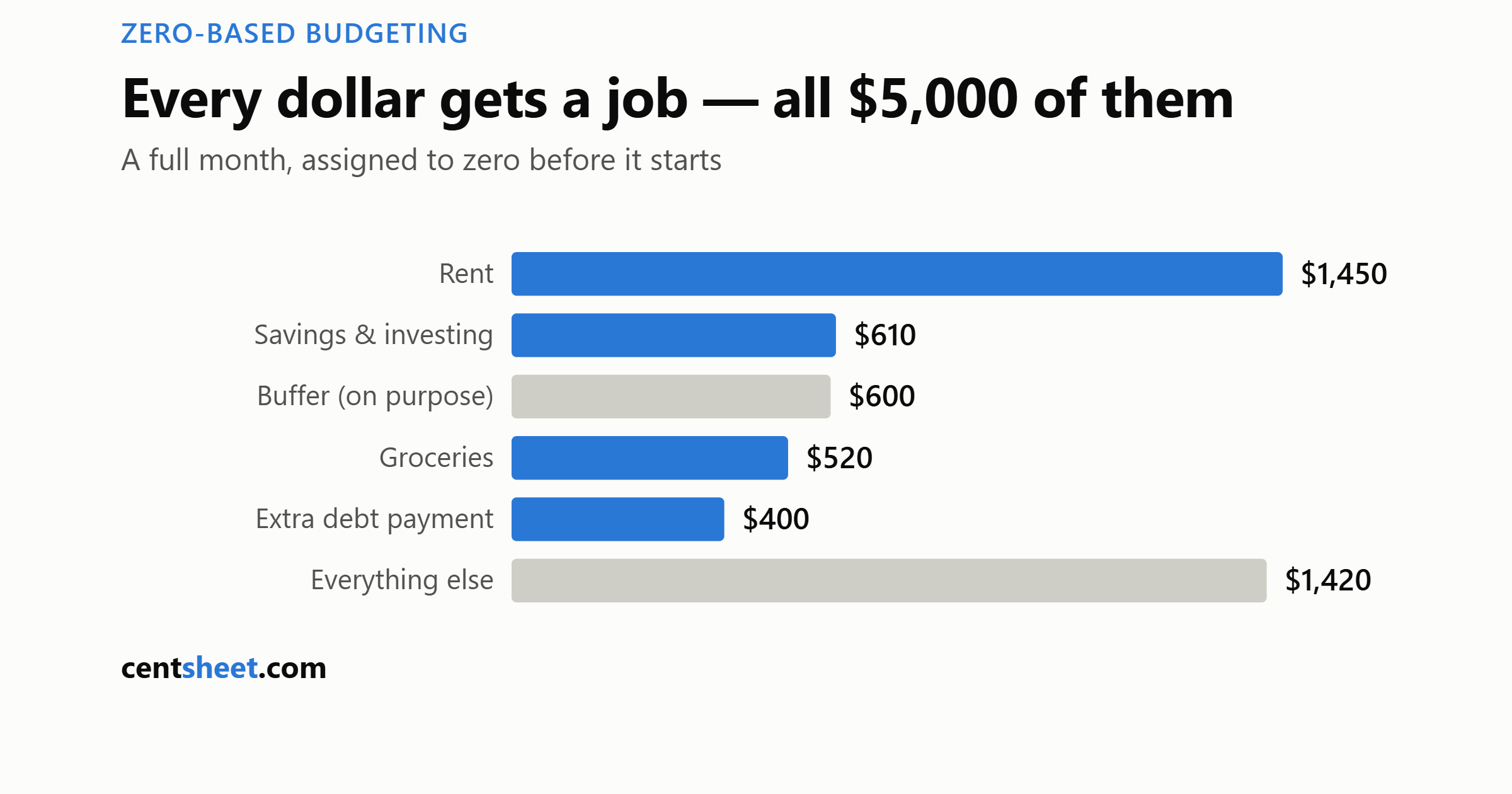
Zero-based budgeting has one rule: income minus everything equals zero. Before the month starts, every dollar you expect to receive gets assigned a job — rent, groceries, debt, savings, fun — until …
All Articles
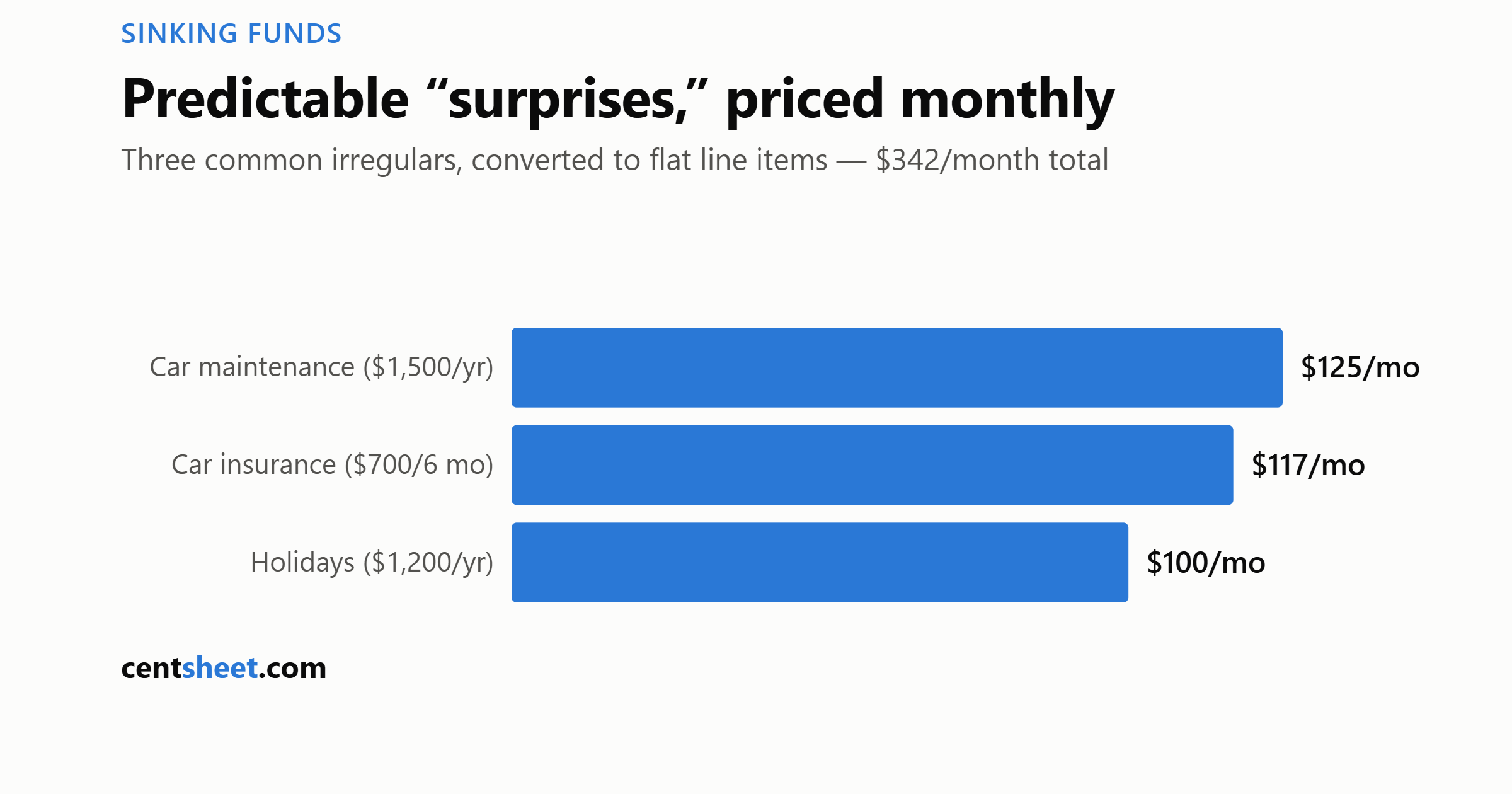
Sinking Funds: The Budgeting Tool That Kills “Surprise” Expenses
Most budget "surprises" aren't surprises. Car insurance comes due every six months, on a date printed on the policy. December happens every year. Cars need tires on a schedule you can roughly predict. …
Continue Reading about Sinking Funds: The Budgeting Tool That Kills “Surprise” Expenses →
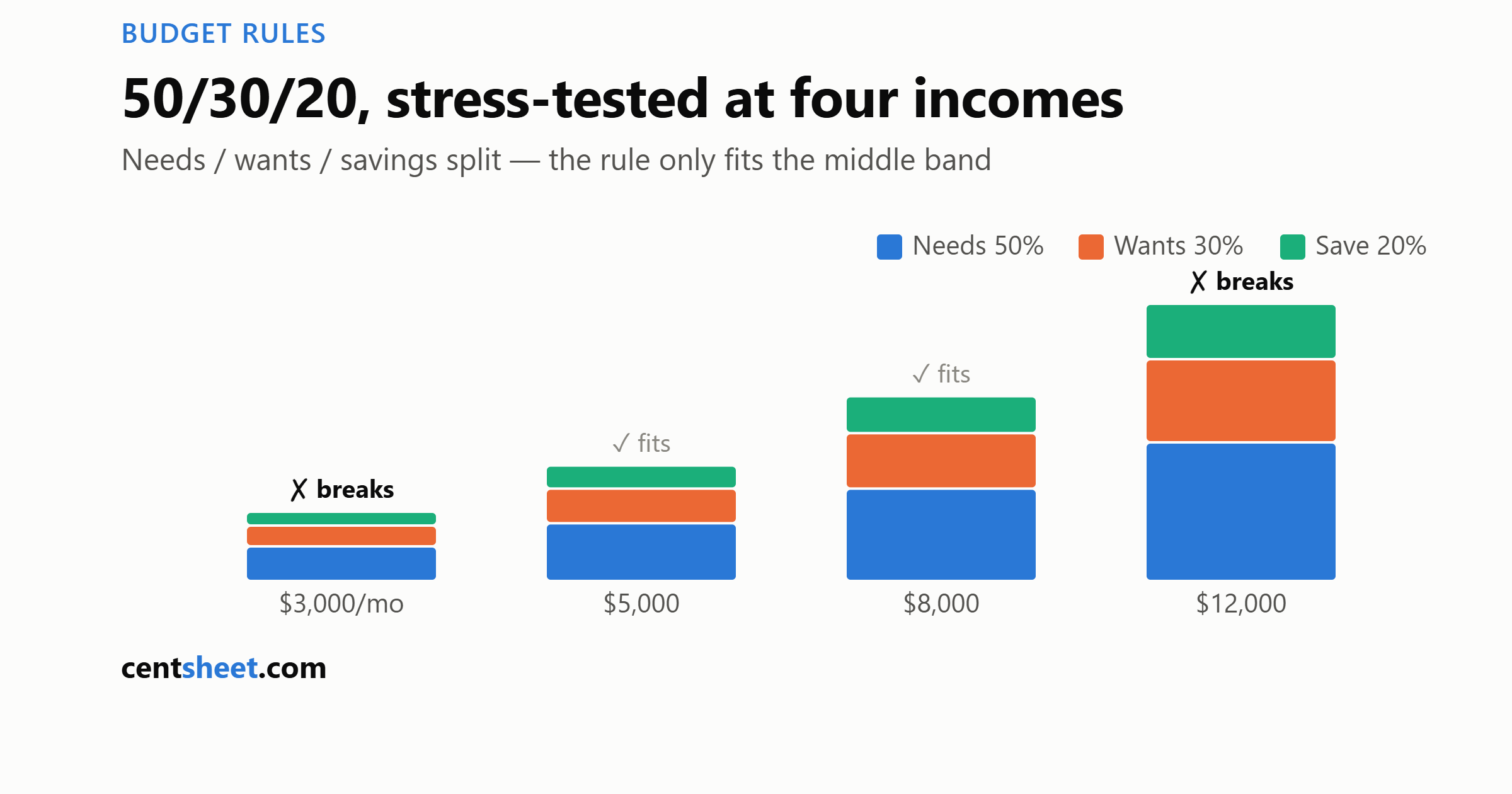
The 50/30/20 Budget, Stress-Tested at Four Incomes (It Breaks at Two of Them)
The 50/30/20 rule — 50% of take-home pay to needs, 30% to wants, 20% to savings — is the most-repeated budgeting advice in America, popularized by Senator Elizabeth Warren back when she was a …
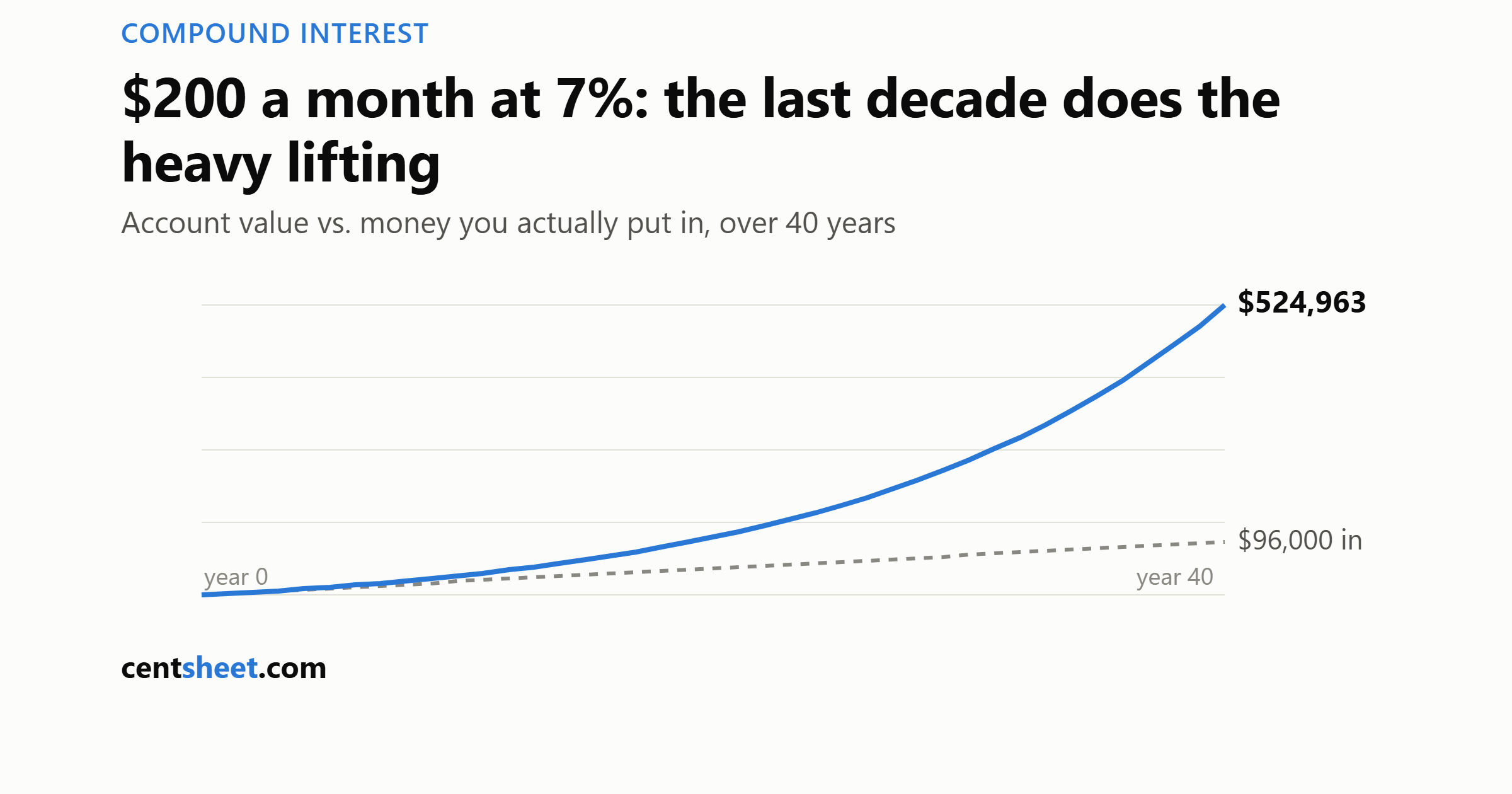
Compound Interest Isn’t Magic. It’s Just Slow — Then It Isn’t
Every compound interest article quotes Einstein (he almost certainly never said it) and shows a hockey-stick chart with no numbers on the axes. This one just shows the numbers. The setup: you invest …
Continue Reading about Compound Interest Isn’t Magic. It’s Just Slow — Then It Isn’t →
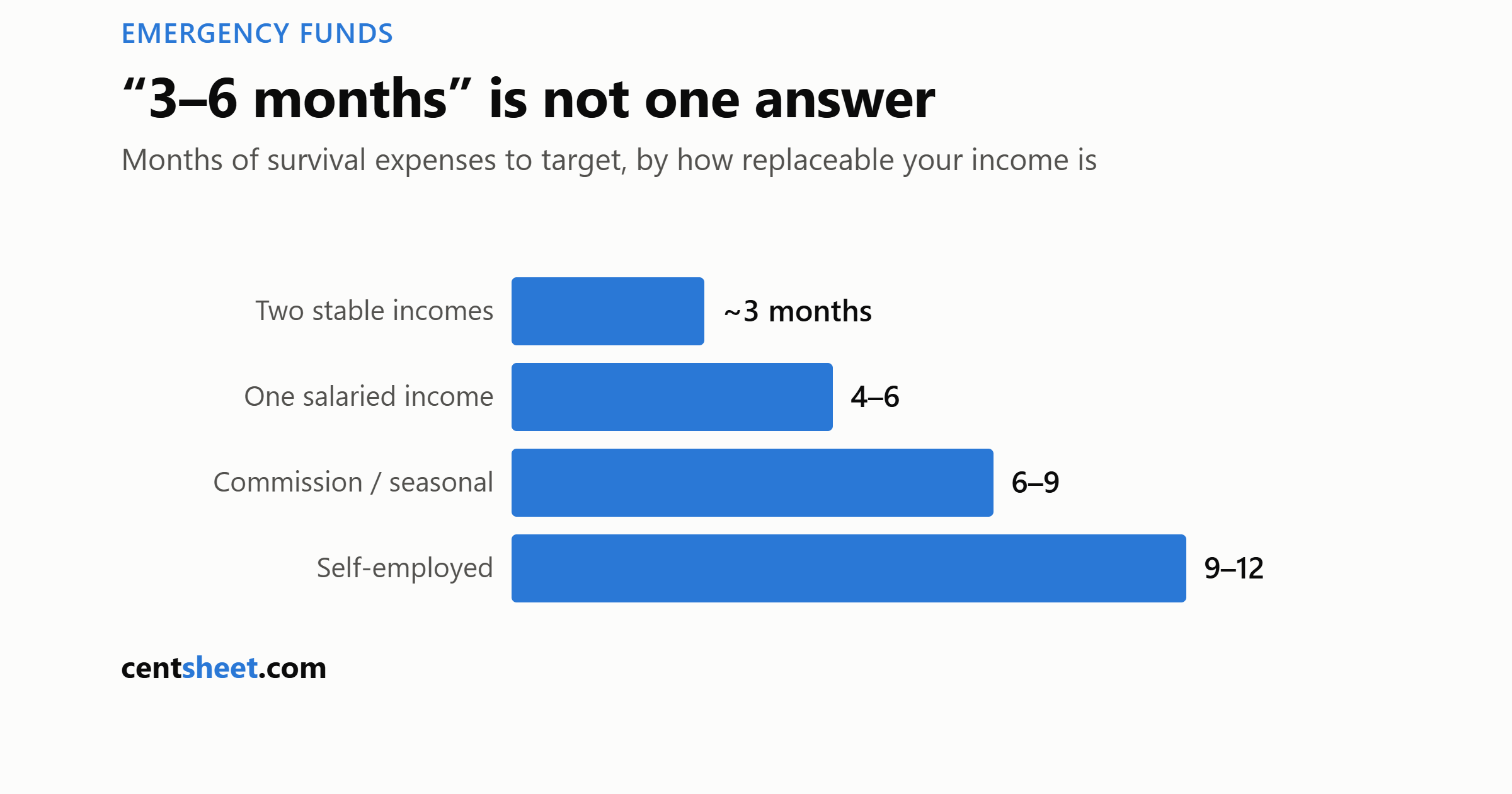
How Big Should Your Emergency Fund Be? Not “6 Months” — It Depends on This
Ask ten finance writers how big an emergency fund should be and nine will say "three to six months of expenses." It's the most repeated rule in personal finance, and it skips the only question that …
Continue Reading about How Big Should Your Emergency Fund Be? Not “6 Months” — It Depends on This →
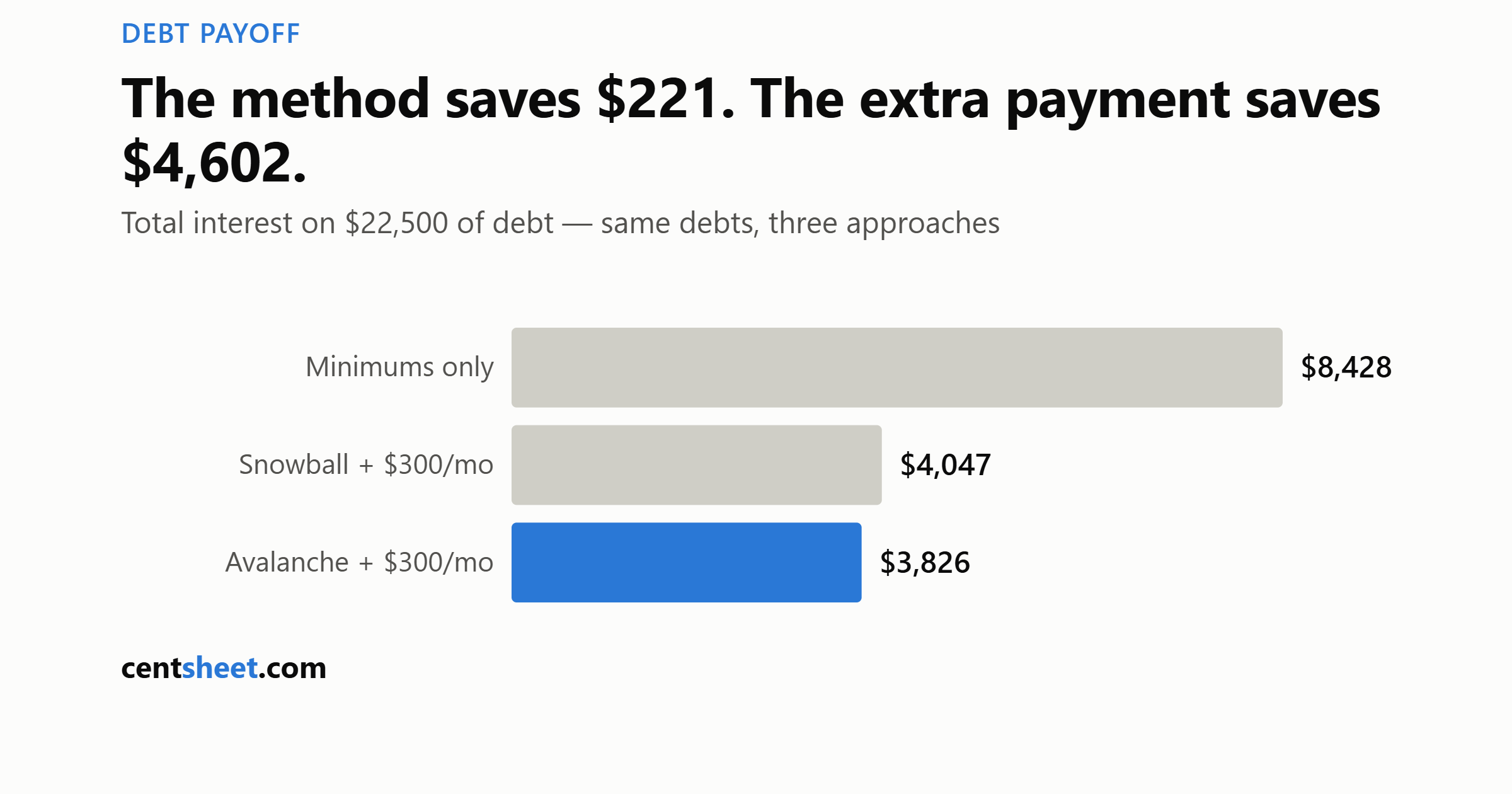
Debt Avalanche vs. Snowball: The Actual Math (With Calculator)
Every personal finance site tells you there are two ways to pay off debt. Almost none of them show you what the difference actually costs in dollars. Let's fix that. The avalanche method says: pay …
Continue Reading about Debt Avalanche vs. Snowball: The Actual Math (With Calculator) →